Empowering Communities Through Support and Hope
About Furaha House
Furaha House is a registered 501(c)(3) nonprofit organization headquartered in Austin, Texas, committed to driving transformative change in underserved communities. Rooted in cultural responsiveness and compassion, our mission is to empower individuals and families through inclusive programs that foster resilience, personal growth, and a strong sense of belonging.
Programs in Austin, Texas
In our local Austin community, Furaha House offers a range of youth-focused initiatives designed to support academic success, leadership development, and personal empowerment:
- After-School Enrichment Program
We provide a safe and supportive environment for middle and high school students from diverse backgrounds. Our program offers academic assistance, mentorship, and enrichment activities that promote creativity, confidence, and community engagement. - Girls Empowerment Initiative
This program is designed to inspire and prepare young girls to take on leadership roles within their communities. Through workshops, mentorship, and skill-building activities, participants gain the tools and confidence needed to become changemakers and advocates for equity and inclusion.
Programs in Goma, Democratic Republic of Congo
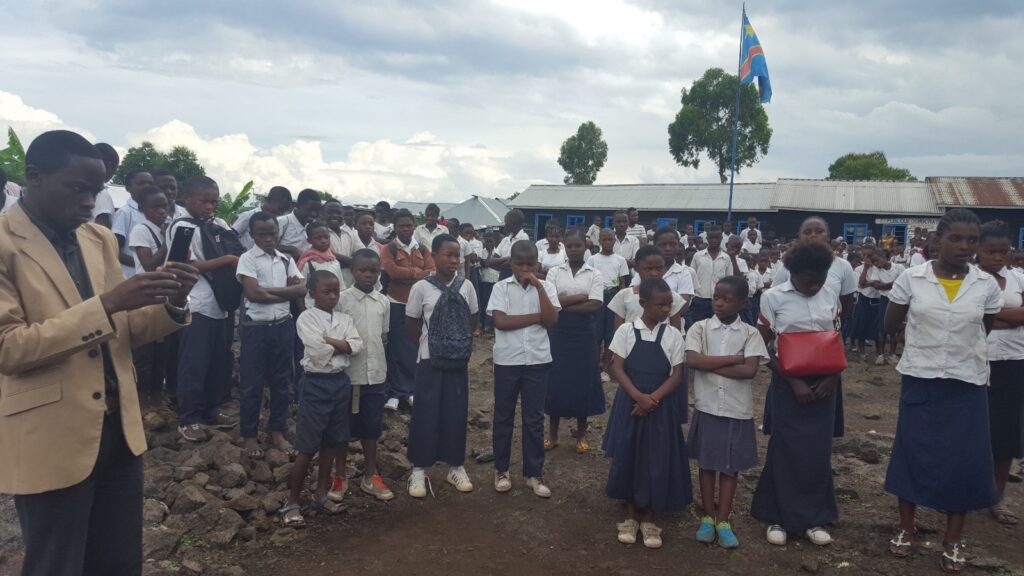
Furaha House extends its mission internationally through impactful programs in Goma, DRC, aimed at economic empowerment, education, and youth leadership:
Technology & Homework Support Lab
Our computer lab offers students access to digital tools and internet resources to support their education. It serves as a space for learning basic computer skills, completing homework, and exploring technology-driven opportunities.
Sewing & Tailoring Program for Widows and the Elderly
We offer vocational training in sewing and tailoring to widows and elderly women, enabling them to become financially independent and self-sufficient. Graduates of the program often contribute to our community tailoring shop, creating sustainable income opportunities.
Youth Leadership Development Program
This initiative engages both boys and girls in leadership training, civic education, and community service. The program equips young people with the skills and mindset needed to become future leaders and active contributors to societal progress.
Community Tailoring Shop
Operated by program graduates, the tailoring shop serves as both a business and a training hub, providing real-world experience and income generation for participants.
Empowering Communities, Inspiring Hope
At Furaha House, we believe in the power of compassion, integrity, and collaboration to uplift communities. Your support helps us create sustainable growth and meaningful change—building a future where every family feels seen, supported, and empowered.

Building Stronger Communities, Changing Lives Together is our Vision
Core Pillars of our Vision
- Community Empowerment: We invest in people, refugees, immigrants, and underserved families through education, mentorship, and culturally responsive support.
- Collaborative Action: Change doesn’t happen in isolation. We work hand-in-hand with local partners, volunteers, and donors to co-create solutions that reflect the voices of those we serve.
- Sustainable Impact: Our programs are designed not just to meet immediate needs, but to foster long-term growth, self-sufficiency, and generational transformation.
At Furaha House, every program we offer is designed with purpose, compassion, and cultural awareness. Our mission is to uplift underserved communities by providing tools, resources, and opportunities that foster resilience, growth, and a deep sense of belonging. Across continents, our initiatives are making a tangible difference in the lives of those we serve.